Words create worlds:
Using language as an intentional tool for inclusion
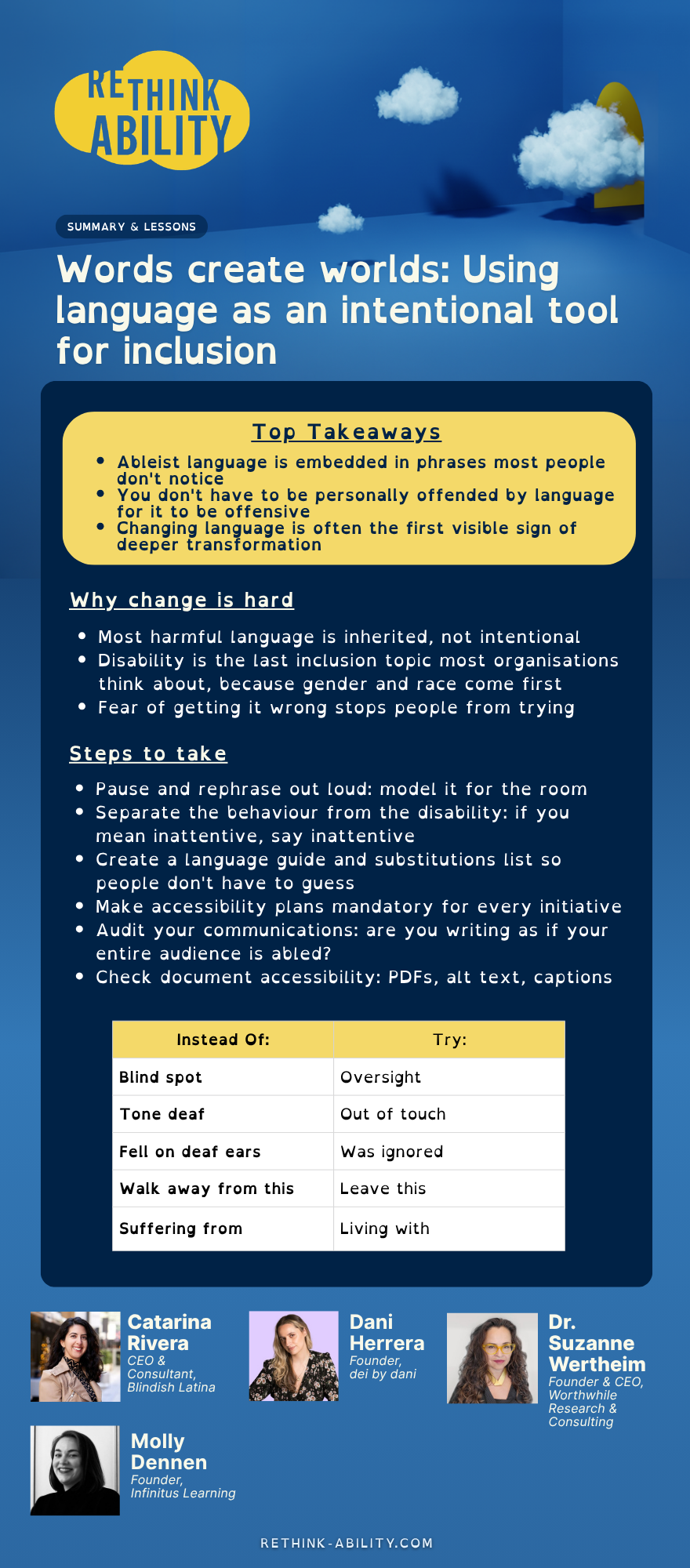
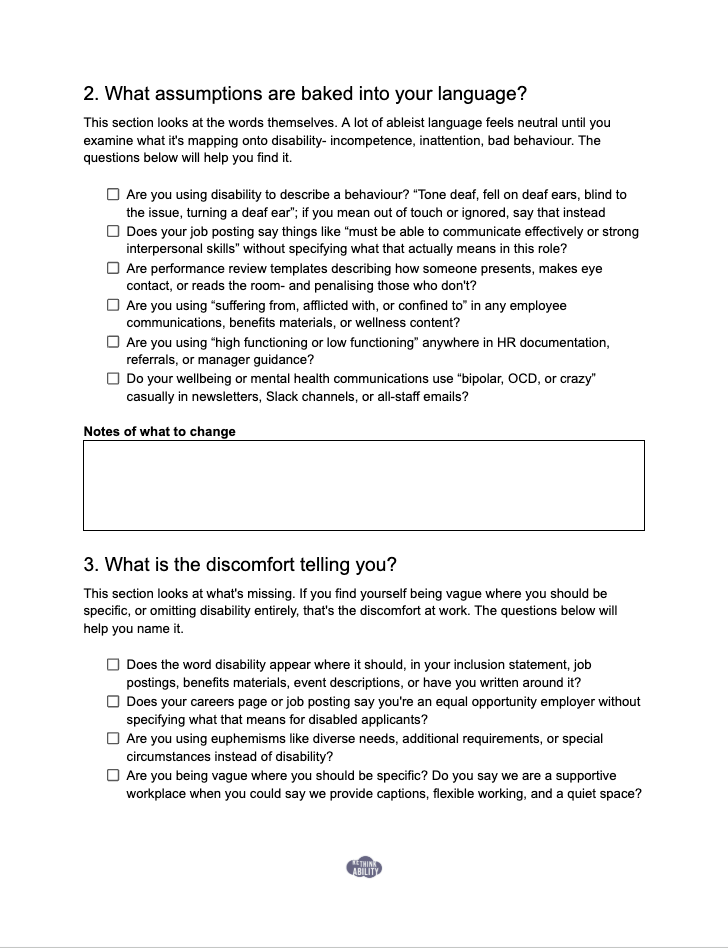
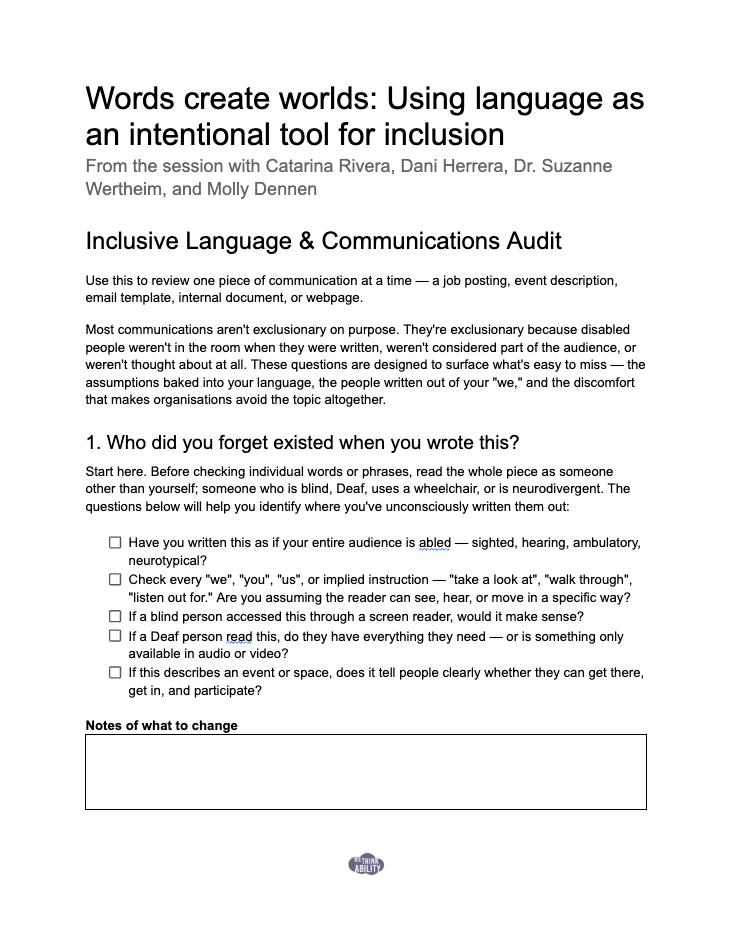
In this session, we’ll explore how everyday phrases, euphemisms, and metaphors rooted in ableism often go unquestioned in the workplace. From job descriptions to hallway conversations, participants will see how language reflects and reinforces unconscious bias, and learn how to interrupt it.
Rather than simply trading one word for another, we’ll focus on the deeper practice: how respectful, inclusive language reflects our values, and how individual behaviors—not just policies—can signal whether disabled people are truly welcomed and respected. Through real-world examples and live exercises, participants will learn to spot harmful patterns, unlearn default language habits, and leave with a more intentional and equitable approach to communication.
Language is not just how we describe the world, it’s how we define who belongs in it.
More Resources
Books and Articles
Inclusive Language Resources
The Inclusive Language Field Guide, Suzanne Wertheim, PhD
#Ableism (short blog post by Leah Smith)
Autistic Hoya: How “Differently abled” marginalizes disabled people (blog post)
10 things to know about ableist microaggressions (blog post)
Casual Ableist Language (YouTube video)
“I’m not your inspiration, thank you very much” (TED talk by Stella Young)
“I don’t exist to inspire you” (Instagram video)
Session Materials
Meet the minds behind this session


-
Facilitator
Fractional People & Growth Strategist unlocking potential through purposeful strategy.

-
Panelist
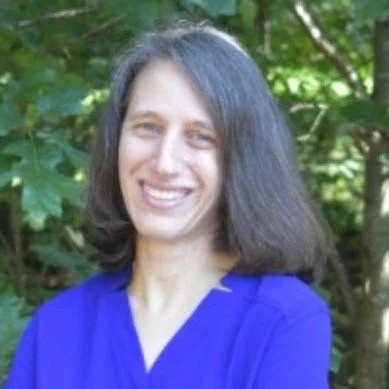
Dr. Suzanne Wertheim is a leading expert on language optimization.

-
Panelist
Daniela is an Award-Winning DEI, Talent, & Workplace Consultant. Trainer, Speaker, and Facilitator.
